How to Conduct a Complacency Review After Routine Tasks
The task went fine. No injuries, no close calls, equipment worked as expected. The crew wrapped up, loaded the trucks, and headed out. Another day, another successful job.
That's when complacency starts its work.
Here's what most teams miss: the absence of problems doesn't mean the absence of risk. In fact, smooth operations can be the most dangerous time to review your work because nothing screams for attention. When everything goes right, we assume we did everything right. That assumption is how good crews develop bad habits.
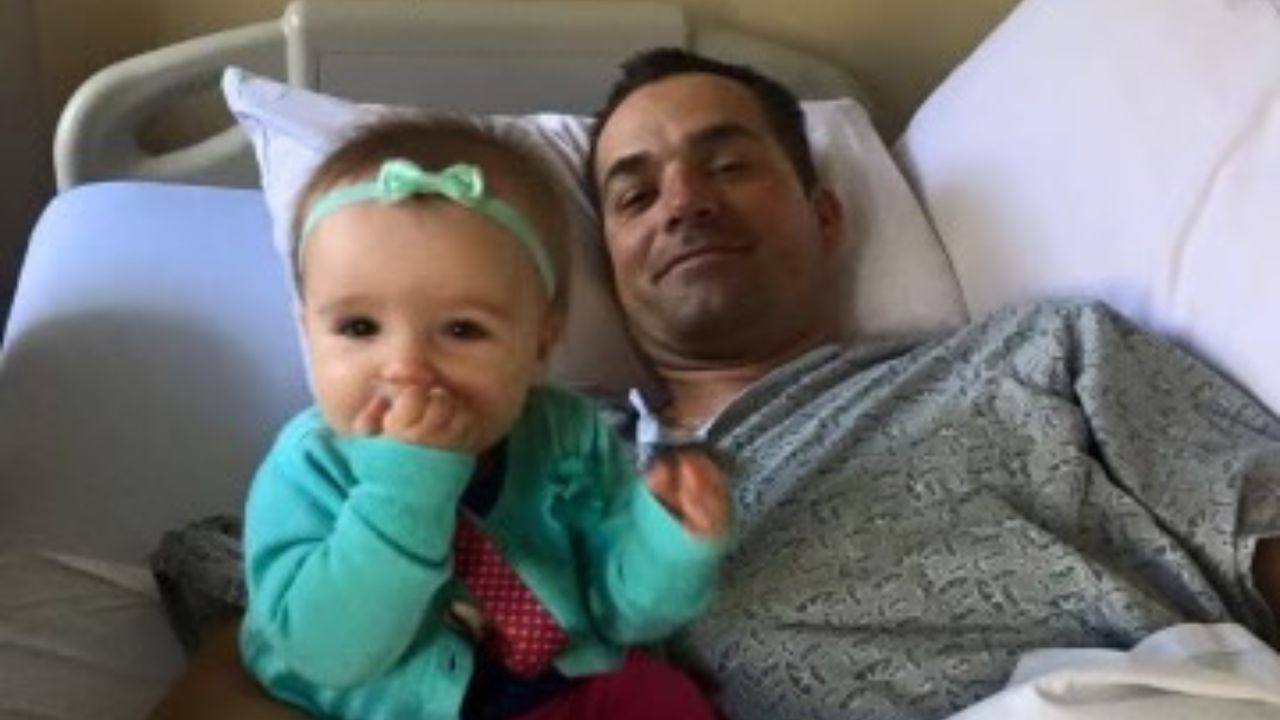
I learned this the hard way. Years of routine work built a confidence in me that felt like competence. I'd done the job a thousand times. I knew the steps. I trusted the process. Until the day I didn't pause long enough to verify the one detail that mattered. The task didn't get completed. The crew shut down after my accident. I walked away without scars, but the pain was real. So was the lesson.
The truth is, routine work doesn't make you safer. It makes you comfortable. And comfort is the breeding ground for complacency.
So how do you catch complacency before it catches you? You build a habit of reviewing your work even when nothing went wrong, especially when nothing went wrong. That's what a complacency review is for. It's not an incident investigation. It's a reality check. A way to ask the hard questions before the easy tasks become hard lessons.
Here's how to do it.
Start With the End Question
The first step in any complacency review is simple: Did we follow the plan exactly as written, or did we adjust on the fly?
This isn't about blame. It's about awareness. Every deviation from procedure, no matter how small, is a data point. Maybe you skipped a step because you've done it so many times you know it's fine. Maybe you eyeballed a measurement instead of using the tool. Maybe you trusted verbal confirmation instead of visual verification.
Those decisions might not cause a problem today. But they program your brain to accept shortcuts tomorrow. And the day after that. Until the shortcut becomes the standard and the standard becomes forgotten.
Ask your crew: What did we change? What did we skip? What did we assume?
Write it down. Don't judge it yet. Just acknowledge it.
Identify the Silent Adjustments
Complacency doesn't announce itself. It shows up in the small choices no one thinks to mention. The unspoken adjustments. The workarounds that become habits.
This is where you dig deeper. Walk through the task step by step and look for the gaps between what you were supposed to do and what actually happened.
Did someone climb without full fall protection because the task only took two minutes? Did the crew start work before completing the tailboard because everyone already knew the hazards? Did you bypass a required inspection because the equipment worked fine yesterday?
These aren't hypothetical questions. I've seen every one of these happen on real jobs with good people. The crews weren't reckless. They were experienced. And that experience gave them permission to trust their judgment over the procedure.
The problem is, procedures exist because someone's judgment failed once. Maybe fatally. The rules aren't there to slow you down. They're there because speed without structure kills people.
So look for the silent adjustments. The things no one thought to mention because they didn't seem like a big deal. Those are the cracks where complacency lives.
Ask the Ownership Questions
This part requires honesty. Real honesty. Not the kind where you nod and say what sounds right. The kind where you admit what you ignored.
Here are the questions every crew member should answer after a routine task:
Did I follow all safety rules and procedures today?
Not most of them. All of them. If the answer is no, what did you skip? Why?
Did I speak up when I noticed something off?
Maybe it was small. Maybe it didn't seem worth mentioning. But did you say it out loud, or did you let it slide?
Did I challenge any assumptions today?
Did you verify the information you were given, or did you trust it because it came from someone experienced?
Did I rely on memory instead of documentation?
Did you double-check the work order, the switching instructions, the equipment specs, or did you go off what you remembered from last time?
These questions aren't comfortable. That's the point. Complacency thrives in comfort. It hides in the space between what we know we should do and what we actually do when no one's watching.
The goal here isn't to punish honesty. It's to create a culture where honesty is expected. Where admitting a shortcut isn't a sign of weakness. It's a sign of maturity. Because the crew that can name its risks is the crew that can manage them.
→ TOOLS TO HELP YOU DO THIS
Want to put this into practice with your crew? I've built a free resource to make complacency reviews simple and repeatable:
Complacency Review Checklist – Field-ready, takes 5 minutes
(It's completely free!)
Look for the Patterns
One deviation is a choice. A pattern is a culture problem.
After you've gathered the answers, step back and look for trends. Are the same procedures getting skipped across multiple tasks? Is one crew member consistently bypassing a step? Is there a specific type of work where shortcuts show up more often?
Patterns reveal beliefs. If your crew keeps skipping the same safety step, it's not because they forgot. It's because they don't believe it matters. And if they don't believe it matters, no amount of reminding will change the behavior. You have to address the belief.
This is where leadership shows up. Not with discipline. With conversation.
Sit down with the crew and ask: Why do we keep skipping this step? What would it take to make this feel necessary instead of optional? Is there something about the procedure that doesn't work in the field?
Sometimes the answer is complacency. Sometimes it's a procedure that was written by someone who's never done the job. Either way, you won't know until you ask.
Create Accountability Through Action
A complacency review is worthless if it ends with awareness. Awareness without action is just permission to keep doing what you've been doing.
So once you've identified the gaps, the shortcuts, the patterns, decide what changes. Not what should change. What will change. And who owns it.
Maybe it's retraining on a specific procedure. Maybe it's updating a checklist to reflect how the work actually happens. Maybe it's assigning a designated safety check at the end of every task to catch the small stuff before it compounds.
Whatever it is, make it concrete. Give it a timeline. Assign it to someone. And follow up.
Because here's the reality: your crew will do what you inspect, not what you expect. If you talk about safety but never check whether procedures are being followed, you've told them procedures are optional. If you conduct a complacency review but never act on what you find, you've told them honesty doesn't matter.
Action creates accountability. And accountability is what keeps complacency from becoming normal.
Make It Routine
Here's the hard truth: one complacency review won't fix complacency. It's not a one-time event. It's a discipline.
The crews that stay sharp are the ones who build reflection into their rhythm. After every routine task, especially the ones that go smoothly, they pause and ask the hard questions. Not because something went wrong. Because something could.
You don't have to make it formal. You don't need a three-hour debrief with spreadsheets and PowerPoints. A five-minute conversation at the truck is enough. What went well? What did we adjust? What would we do differently next time?
The goal is to keep questioning normal. To make self-assessment a reflex instead of a reaction.
Because the moment you stop reviewing your work is the moment you start trusting your assumptions. And assumptions don't care how many years you've been doing this. They'll take you down just as fast as they'll take the new guy.
The Bottom Line
Complacency doesn't show up after a near miss. It shows up after a success. It lives in the space between "we got away with it" and "we'll probably get away with it again." And the only way to stop it is to refuse to let success be the end of the conversation.
A complacency review isn't about finding fault. It's about finding truth. It's about asking whether the way you did the job matches the way you planned to do the job. And if it doesn't, figuring out why.
The best crews aren't the ones who never make mistakes. They're the ones who catch their mistakes before they become tragedies. They're the ones who review routine work with the same intensity they bring to high-risk tasks. Because they know the truth: there's no such thing as a safe job. There are only safe behaviors repeated consistently enough to keep people alive.
So after your next routine task, pause. Ask the questions. Look for the patterns. Own the gaps. And make the changes that need to be made.
Your crew's counting on it. So are the people waiting for them at home.
Challenge: After your next routine task, no matter how smooth, take five minutes with your crew and ask: Did we follow the plan exactly, or did we adjust? Write down what you find. You might be surprised what shows up when you're willing to look.
Reading about complacency reviews is one thing. Actually doing them is another.
That's why I've built a set of free tools to help you put this into practice immediately:
→ The Complacency Review Checklist

Responses